Not all air compressors are built for the same workload. Some are better suited to short bursts of air for tools and small workshops, while others are designed to supply reliable compressed air across busy industrial sites.
Cleveland Compressors supplies a range of compressed air equipment for commercial and industrial applications. This blog explains the main types of air compressors, how they work and what to consider so you can choose the right air compressor for your site, workload and equipment.
What Are the Main Types of Air Compressors?
Air compressors are generally grouped into two broad categories: positive displacement compressors and dynamic compressors. Within these categories, there are several different air compressor types, each designed for different pressure levels, air demand, duty cycles and industrial applications.
- Positive displacement compressors: These compressors trap air inside a compression chamber and reduce its volume to create compressed air. Common examples include piston compressors, rotary screw compressors, rotary vane compressors and scroll compressors.
- Dynamic compressors: These compressors use high-speed rotating parts to increase air pressure and are generally used for high-volume compressed air requirements. Centrifugal compressors are the most common example.
For most workshops, factories and commercial sites, positive displacement compressors are often a common choice. However, the right air compressor will depend on your required pressure, CFM, flow, energy efficiency and how often the equipment needs to operate.
Piston Compressors
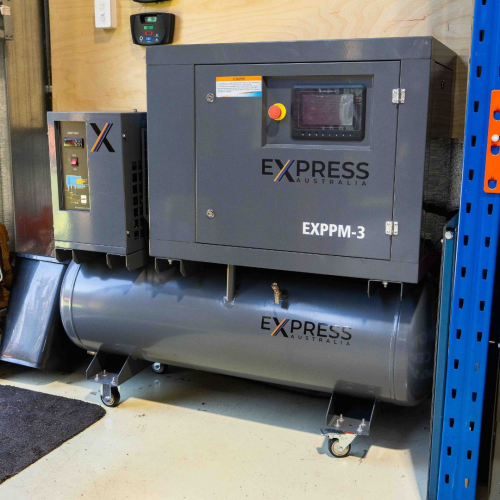
Piston compressors, also known as reciprocating compressors, are one of the most common air compressor types for smaller workshops, trade use and intermittent air demand. They use a piston inside a compression chamber to compress air and create the air pressure needed to power tools, inflate tyres or run smaller pieces of compressed air equipment.
This compressor type is generally a practical option when you need reliable compressed air but do not require the compressor to operate continuously throughout the day. Piston compressors are often used for jobs with a lower duty cycle, where the air compressor can stop and start between tasks.
While piston compressors can be cost-effective and easy to maintain, they may not be the best choice for high-volume industrial applications or a complete compressed air system with constant air demand. For larger sites that need steady flow, higher efficiency and continuous operation, rotary screw compressors may be more suitable.
Rotary Screw Compressors
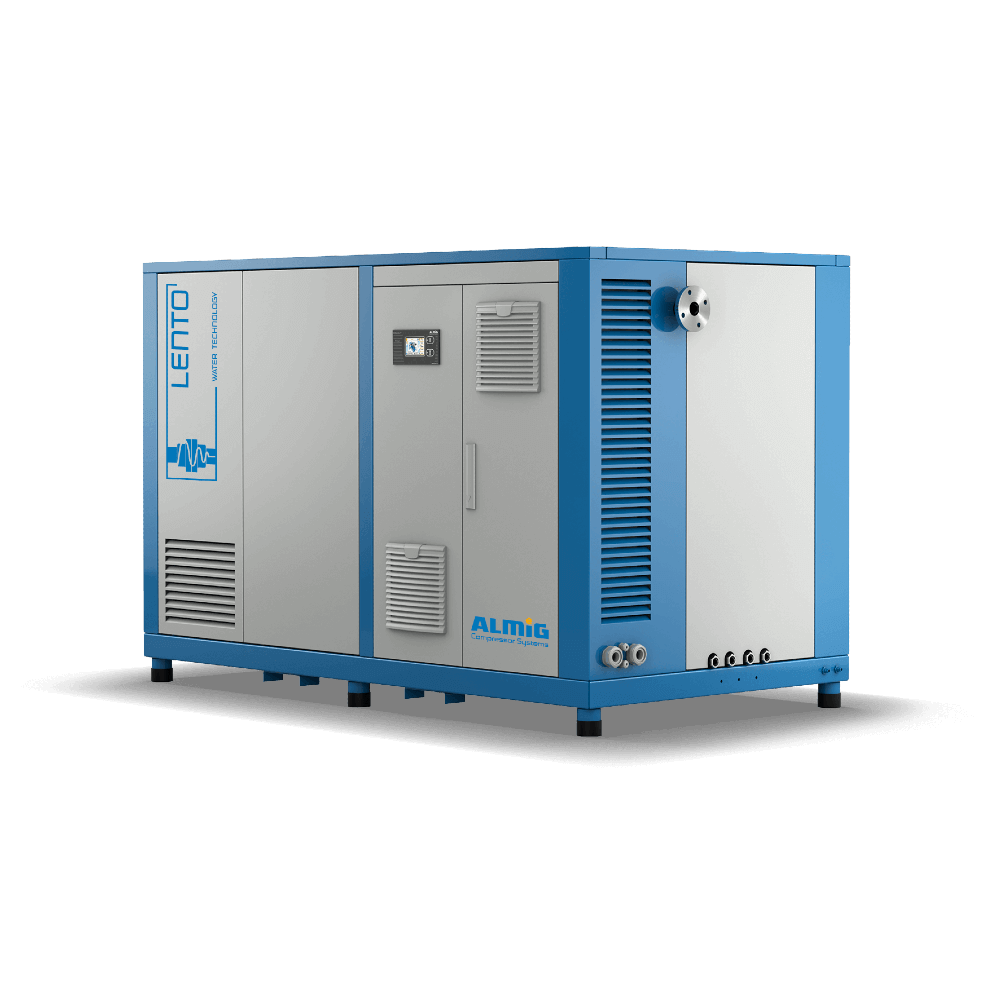
For sites that need a steady supply of compressed air throughout the day, rotary screw compressors are often a practical option. This compressor type uses two rotating screws, or rotors, to compress air and maintain consistent air pressure across tools, machinery or production equipment.
They are generally suited to higher air demand, longer duty cycles and industrial applications where the air compressor needs to operate for extended periods. In the right setting, rotary screw air compressors can also be more energy efficient than piston compressors, especially when a compressed air system needs reliable flow and consistent performance.
The right model will depend on factors such as pressure, CFM, air volume, power requirements and how often the compressor needs to operate.
Other Air Compressor Types To Know
Beyond piston and rotary screw compressors, there are other air compressor types that may suit specific pressure, flow, noise or air quality requirements.
Rotary Vane Compressors
Rotary vane compressors use a rotor with sliding vanes to compress air inside the chamber. They can provide a steady supply of compressed air and are generally used where reliable operation, compact design and consistent air pressure are important.
Scroll Compressors
Scroll compressors use two spiral-shaped scrolls to compress air. They are often used in applications where low noise, clean air and efficiency are important. Some oil-free scroll compressors may suit medical, laboratory, food or sensitive manufacturing environments where air quality matters.
Centrifugal Compressors
Centrifugal compressors are a type of dynamic compressor. They are generally used for high-volume industrial compressors where large amounts of compressed air are needed at a consistent flow. These systems are more common in major industrial applications than in small workshops.
Oil-Free Compressors And Oil-Injected Compressors
When comparing different air compressor types, it is also worth looking at how the compressor handles oil, lubrication and air quality. Oil-free compressors can be a better fit where clean compressed air is important, while oil-injected air compressors are often used for general workshops, manufacturing and industrial applications.
| Oil-free compressors | Oil-injected compressors | |
|---|---|---|
| How They Work | Oil is kept out of the compressed air stream during the compression process. | Oil is used in the compression chamber to lubricate, seal and cool the air during compression. |
| Air Quality | Better suited to clean air applications where oil contamination needs to be avoided. | Suitable for many general compressed air applications where oil-free air is not required. |
| Common Uses | Often used in food processing, medical, dental, pharmaceutical, spray painting and laboratory applications. | Often used in workshops, manufacturing, construction, automotive and general industrial sites. |
| Best Fit | Sites that need cleaner compressed air and stricter air quality control. | Sites that need reliable compressed air, efficient operation and regular equipment use. |
Choosing the right option early can help you avoid air quality issues, unnecessary maintenance and a compressed air system that struggles to keep up with daily demand.
What Is the Best Type of Air Compressor?
The best type of air compressor depends on how much compressed air your site needs, how often the compressor will run and what equipment it needs to power. There is no single best compressor type for every business, but some options are better suited to certain jobs.
- Light or occasional use: A piston compressor may be enough for smaller jobs, short bursts of air and lower daily demand.
- Consistent daily use: A rotary screw compressor is generally a better fit when your site needs steady air pressure, reliable flow and longer operating times.
- High-volume applications: Larger industrial compressors may be needed where multiple tools, machines or production lines rely on compressed air at the same time.
- Specialised applications: Some industries need a compressor type that supports specific pressure, air quality, noise or efficiency requirements.
The right choice comes down to matching the compressor to the way your site actually operates, rather than choosing the biggest or most powerful model. For sites with more specific requirements, a customised compressed air solution can help support reliable air pressure, efficient performance and long-term equipment use.
Need Help Choosing the Right Air Compressor?
Choosing the right air compressor can save your site from poor air pressure, wasted energy and equipment that cannot keep up with daily demand. If you are comparing piston compressors, rotary screw compressors, oil-free compressors or a complete compressed air system, Cleveland Compressors can help you find an option that suits your workload, industry and long-term air supply needs.
Contact us today to discuss your compressed air requirements and find the right air compressor for your site.
Frequently Asked Questions
How often an air compressor needs servicing depends on the compressor type, workload, operating hours and site conditions. Regular air compressor service and maintenance can help maintain air pressure, efficiency and reliable performance. Always follow the manufacturer’s service schedule and speak to a technician if the compressor is running hot, losing pressure or making unusual noise.
Your business may need a larger air compressor if your current setup is losing pressure, struggling to run multiple tools at once or slowing down during busy periods. Before replacing the compressor, a compressed air energy audit can help identify whether the issue is with your CFM, duty cycle, pressure requirements, leaks, pipework restrictions or overall system design.
Yes. Cleveland Compressors can help assess your compressed air requirements and recommend a compressor type that suits your site, equipment and workload. The team can also assist with air compressor installation, servicing and support to help keep your system operating reliably.